25 Restaurant KPIs to Track: Expert Guide
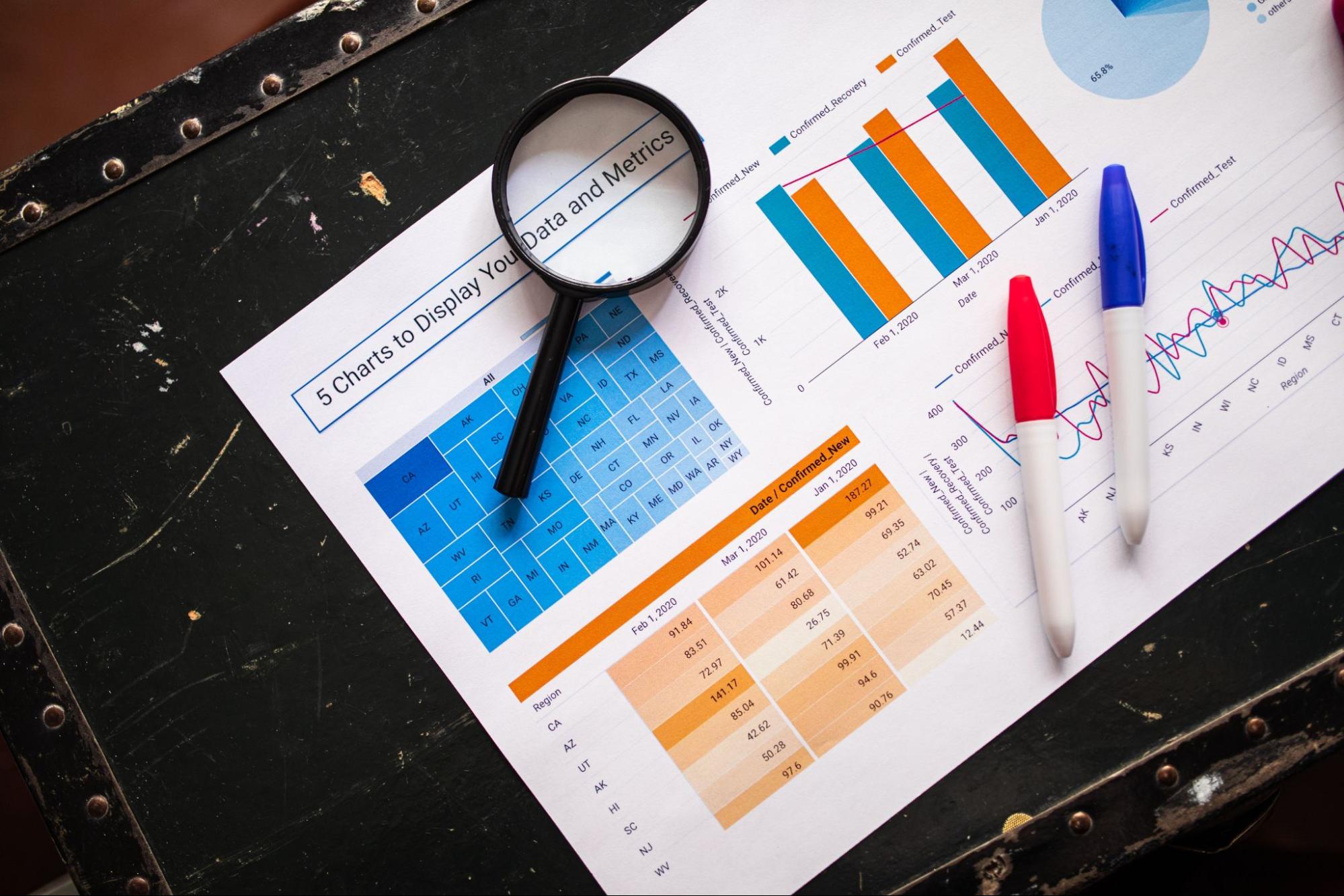
A restaurant KPI dashboard helps restaurant owners monitor business performance using real time data instead of guesswork. It brings together essential metrics that reveal how your restaurant is performing across sales, costs, staff, and customer experience.
This blog will help you understand the most important restaurant KPIs, why they matter, and how tracking them can improve efficiency, profitability, and long term growth.
What Is a Restaurant KPI Dashboard?
Running a restaurant involves managing many moving parts every day. From monitoring sales and controlling food costs to scheduling staff and maintaining customer satisfaction, every decision affects profitability. A restaurant KPI dashboard gives you a clear overview of your business by displaying the most important performance metrics in one place.
Instead of reviewing multiple spreadsheets or reports, you can access all your key performance indicators through a single dashboard. This makes it easier to identify trends, detect issues early, and make informed decisions based on accurate data.
Whether you operate a small café or a multi location restaurant chain, a restaurant KPI dashboard helps you stay focused on the numbers that matter most.
Why Tracking Restaurant KPIs Matters
Restaurant success depends on more than serving good food. You also need to understand how efficiently your business operates.
Tracking KPIs allows you to:
- Monitor daily business performance
- Identify areas that need improvement
- Reduce unnecessary operating costs
- Improve customer satisfaction
- Increase overall profitability
- Support better business planning
With reliable data, restaurant owners can make confident decisions instead of relying on assumptions.
Key Restaurant KPIs at a Glance
Before tracking every performance metric, it helps to understand the core KPIs that have the greatest impact on restaurant success. These metrics provide a quick overview of your financial health, operational efficiency, and customer experience.
Financial KPIs That Drive Profitability
Financial metrics help restaurant owners understand whether the business is making sustainable profits.
Food cost percentage helps identify if ingredient expenses are under control. Labor cost percentage ensures staffing levels remain efficient without affecting service quality. Gross and net profit margins reveal how much revenue is converted into profit after expenses.
Monitoring cash flow also ensures enough funds are available for daily operations, supplier payments, and future investments.
Operational KPIs That Improve Efficiency
Efficient operations improve service speed and customer satisfaction. Tracking metrics like table turnover, preparation time, order accuracy, and inventory turnover helps identify areas for improvement. Monitoring these KPIs also reduces food waste and supports better profitability.
Customer Experience KPIs
Happy customers are more likely to return and recommend your restaurant.
A restaurant KPI dashboard should include customer focused metrics such as:
- Customer retention rate
- Customer satisfaction score
- Online review ratings
- Average check value
- Reservation conversion rate
Tracking these indicators helps restaurant owners understand customer preferences and improve the overall dining experience.
Positive customer experiences often lead to increased loyalty and higher lifetime value.
Employee Performance KPIs
Employees play an important role in restaurant success.
Tracking labor productivity and employee turnover helps measure workforce performance and identify staffing issues. Improving these areas supports better employee retention, consistent service, and a better customer experience.
How a Restaurant KPI Dashboard Supports Better Decisions
A restaurant KPI dashboard transforms raw business data into useful insights.
Instead of reacting after problems occur, restaurant managers can identify trends early and make proactive decisions.
For example:
- Rising food costs may signal supplier price increases.
- Lower customer satisfaction scores may highlight service problems.
- Falling sales growth may indicate seasonal changes or marketing challenges.
- Higher labor costs may require scheduling adjustments.
Real time dashboards help managers respond quickly before small issues become expensive problems.
Choosing the Right Restaurant KPI Dashboard
Not every dashboard offers the same features. When selecting a solution, consider whether it can:
- Connect with your POS system
- Display real time business data
- Track financial and operational KPIs
- Generate customizable reports
- Support multiple restaurant locations
- Provide mobile access for managers
The best dashboards simplify decision making rather than creating more work.
Common Mistakes to Avoid
Many restaurants collect large amounts of data but fail to use it effectively.
Avoid these common mistakes:
- Tracking too many metrics without clear goals
- Ignoring trends over time
- Focusing only on sales while overlooking costs
- Reviewing reports too infrequently
- Failing to act on dashboard insights
A restaurant KPI dashboard delivers the greatest value when data leads to meaningful business improvements.
Make Smarter Restaurant Decisions
A powerful restaurant KPI dashboard can help you turn business data into actionable insights.
Book a consultation today to discover how Syphor can help optimize your restaurant operations and improve performance.
Frequently Asked Questions (FAQs)
1. What is a restaurant KPI dashboard?
A. A restaurant KPI dashboard displays your most important business metrics in one place, helping you monitor performance and make informed decisions.
2. Why are restaurant KPIs important?
A. Restaurant KPIs measure business performance, helping owners improve profitability, reduce costs, increase efficiency, and enhance customer satisfaction.
3. How often should restaurant KPIs be reviewed?
A. Most restaurants should review key KPIs daily or weekly to identify trends quickly and respond before issues affect performance.
4. Which KPI is most important for restaurants?
A. There is no single most important KPI. Financial, operational, and customer metrics should all be monitored together for balanced performance.
5. Can small restaurants benefit from a restaurant KPI dashboard?
A. Yes, even small restaurants can improve efficiency, reduce waste, monitor costs, and make better business decisions using a KPI dashboard.